
Minimalist design, often associated with clean lines and uncluttered spaces, finds a harmonious expression in the Japanese plant stand. This piece transcends mere functionality, becoming a statement of refined aesthetics. From the careful selection of materials to the meticulous consideration of proportion and balance, each element contributes to the overall visual narrative. This exploration delves into the design concepts, material choices, and the meticulous integration of Japanese aesthetics to create a truly compelling and timeless design.
The guide meticulously examines five distinct design concepts, three color palettes, and two unique materials, ensuring durability and visual appeal in a minimalist design. Tables illustrate the various combinations, offering practical insights into the design process. The exploration then deepens into the advantages and disadvantages of materials like bamboo, ceramic, and wood, considering environmental impact, finishes, and their influence on the minimalist aesthetic.
Design Concepts for Minimalist Japanese Plant Stands
Japanese-style minimalism, characterized by its emphasis on simplicity, natural materials, and understated elegance, translates seamlessly into plant stand design. This approach prioritizes the plant as the focal point, allowing its beauty to shine without ostentatious displays. This focus on essential elements is key to achieving a tranquil and aesthetically pleasing space.Japanese design principles, rooted in Zen philosophy, often incorporate the concept of “wabi-sabi,” appreciating the beauty of imperfection and natural processes.
This informs the design of minimalist plant stands, emphasizing natural textures and muted tones to evoke a sense of serenity and harmony.
Design Concepts
Several distinct design concepts can be employed for a minimalist Japanese-style plant stand. These concepts aim to highlight the plant’s natural beauty while maintaining a clean, uncluttered aesthetic.
- Floating Form: This design emphasizes the lightness and ethereal quality of the plant. The stand appears as if it is floating, supporting the plant without imposing a heavy presence. The stand’s structure might be barely visible, allowing the plant to be the main focus. This design element can be achieved with a delicate, almost transparent material.
- Earth-Bound Elegance: This concept highlights the connection between the plant and the earth. The stand might be a low, broad base, evoking a sense of stability and grounding. The material might be a natural wood tone, emphasizing the natural element.
- Structured Simplicity: This concept employs clean, geometric shapes, often using lines and angles to create a modern interpretation of Japanese aesthetics. The stand’s structure is simple, yet striking, providing a supportive frame for the plant.
- Layered Harmony: This approach utilizes multiple levels and planes within the stand’s design. This creates a sense of depth and visual interest, while still maintaining a sense of quiet elegance.
- Ambient Accents: This design incorporates the stand into the surrounding environment. The stand’s form and color are subtly integrated into the space, allowing the plant to stand out without overpowering the surroundings. The color palette may be chosen to complement the existing decor or the natural environment.
Color Palettes
Selecting the right color palette is crucial in maintaining the minimalist aesthetic. The goal is to complement the plant and the surrounding environment without drawing undue attention to the stand itself.
- Earthy Tones: This palette utilizes natural shades of brown, beige, and muted greens. These colors evoke a sense of tranquility and connection to nature, perfectly aligning with Japanese aesthetics. This palette is ideal for plants with natural colors.
- Neutral Gradients: This palette features a smooth transition between light and dark shades of gray, white, and black. These colors create a sophisticated and modern feel, while remaining unobtrusive and allowing the plant to take center stage.
- Subtle Accents: This palette uses a combination of natural and muted colors. It includes muted shades of gray, beige, and brown, accented by a single, vibrant color of the plant or a small detail on the stand to add a touch of interest without overwhelming the space. This palette is adaptable to various plant colors and styles.
Materials
Durable and visually appealing materials are essential for a minimalist plant stand.
- Sustainable Wood: Hardwoods like maple or walnut offer a warm, natural aesthetic, with inherent durability and a rich grain pattern. The natural beauty of the wood can be highlighted through a natural finish or a subtle stain, keeping the design uncluttered.
- Powder-Coated Metal: Powder-coated metal offers a sleek, modern aesthetic with excellent durability. The powder coating provides a smooth, non-porous surface that is resistant to scratches, rust, and discoloration, making it a practical and stylish choice.
Plant Stand Designs
This table illustrates potential plant stand designs based on the described concepts, materials, and color palettes.
| Material | Color | Design Concept | Dimensions |
|---|---|---|---|
| Sustainable Wood (Maple) | Natural Beige | Earth-Bound Elegance | 12″ W x 12″ D x 18″ H |
| Powder-Coated Metal (Dark Gray) | Muted Green | Floating Form | 10″ W x 10″ D x 24″ H |
| Sustainable Wood (Walnut) | Light Gray | Structured Simplicity | 8″ W x 8″ D x 15″ H |
| Powder-Coated Metal (Light Gray) | Natural Brown | Layered Harmony | 15″ W x 15″ D x 30″ H |
Material Exploration
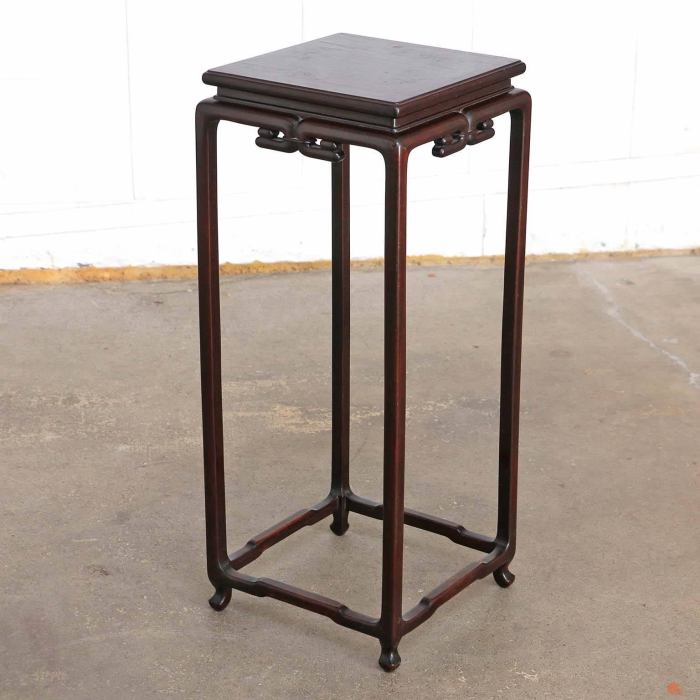
Minimalist Japanese plant stands offer a unique blend of aesthetics and functionality. Choosing the right material is crucial in achieving the desired tranquil and serene atmosphere. The selection process involves careful consideration of visual impact, environmental responsibility, and practical factors. From the natural beauty of bamboo to the refined elegance of ceramic, each material presents distinct advantages and disadvantages.
Bamboo: A Natural Choice
Bamboo, a rapidly renewable resource, is a popular choice for plant stands due to its natural aesthetic and lightweight nature. Its strength and flexibility make it suitable for various designs. However, bamboo can be susceptible to moisture damage, requiring careful consideration of its placement and maintenance. Furthermore, the inherent variations in bamboo’s color and texture can impact the overall visual uniformity of a minimalist design.
It is important to note that the sourcing and production practices of bamboo can vary significantly, impacting the material’s environmental footprint. Thus, choosing sustainably sourced bamboo is crucial.
Ceramic vs. Wood: Visual and Material Contrasts
Ceramic and wood offer distinct visual experiences for minimalist plant stands. Ceramic, with its often smooth, polished surfaces, lends a clean, contemporary feel. The inherent durability of ceramic is an important consideration for its longevity. Wood, with its natural grain patterns, evokes a warm and organic ambiance. The diverse hues and textures of various wood types allow for a range of design options.
However, wood requires more maintenance to prevent damage from moisture and pests. Both materials present unique challenges and opportunities for minimalist design.
Finishes: Shaping the Minimalist Aesthetic
Finishes, such as oils and lacquers, significantly impact the minimalist aesthetic of a plant stand. Oiled finishes often highlight the natural beauty of wood, creating a warm, inviting ambiance. Lacquered finishes, on the other hand, create a smooth, glossy surface, enhancing the modern, clean lines of the design. Different finishes require specific care and maintenance. The choice of finish should be carefully considered in relation to the chosen material and the desired long-term appearance.
A well-chosen finish can significantly elevate the visual appeal of a minimalist plant stand.
Environmental Impact: Sustainability Considerations
The environmental impact of each material choice is a critical factor in responsible design. Bamboo, with its rapid growth and renewable nature, generally presents a more sustainable option compared to some wood species. However, sourcing and production practices play a crucial role in the material’s overall environmental footprint. Ceramic production, while often less resource-intensive than wood production, can still involve energy consumption and material sourcing considerations.
The responsible selection of materials that prioritize sustainable practices is vital.
Material Comparison Table
| Material | Finish | Pros | Cons |
|---|---|---|---|
| Bamboo | Natural | Renewable resource, lightweight, natural aesthetic, cost-effective | Susceptible to moisture damage, variations in color and texture, potential for unsustainable sourcing |
| Ceramic | Glazed/Unglazed | Durable, low maintenance, versatile in design, clean aesthetic | Can be heavier, may require specific handling during transport, higher production cost compared to bamboo |
| Wood (e.g., Maple, Walnut) | Oiled/Lacquered | Warm, organic aesthetic, diverse textures and colors, visually appealing | Requires more maintenance (oiling/re-oiling), susceptible to damage from moisture and pests, potential for unsustainable sourcing |
Form and Function
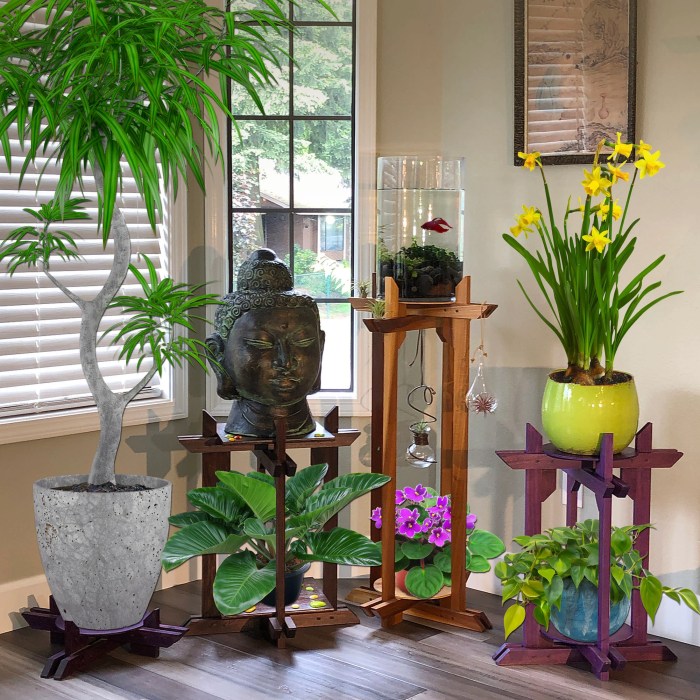
Minimalist Japanese plant stands, rooted in the principles of Zen and simplicity, prioritize form and function. The aesthetic aims for a harmonious blend with the surrounding space, emphasizing natural materials and clean lines. A successful design should not only showcase the plant but also enhance the overall ambiance of the room. This necessitates careful consideration of shape, proportion, and balance.The core design philosophy hinges on a delicate equilibrium between the stand and the plant it supports.
The stand must be a subtle backdrop, allowing the plant to take center stage without competing for attention. This requires thoughtful consideration of every aspect of the design, from the material to the dimensions, to ensure a seamless integration with the surrounding space.
Three Minimalist Shapes
The shape of a Japanese plant stand plays a crucial role in its aesthetic appeal and functionality. Three distinct shapes embody minimalist principles:
- A simple, tapered cylinder: This shape, reminiscent of natural forms, offers a sleek and uncluttered profile. Its gradual narrowing creates a visually appealing, yet understated presence.
- A square or rectangular prism: Geometric precision is key to minimalist design. A square or rectangular prism provides a clean, structured base that complements a wide range of plant types and interior styles.
- A rounded, organic form: While still maintaining a sense of minimalism, a rounded or organically shaped stand can introduce a softer, more fluid aesthetic. This approach works well with certain plant varieties, particularly those with flowing foliage.
Proportion and Balance
Proportion and balance are essential to achieve a harmonious design. The stand’s dimensions must be carefully considered in relation to the plant’s size and the surrounding environment. A disproportionately large stand can overwhelm a small plant, while an undersized stand can make the plant appear lost or out of place.
Determining Height and Width
The height and width of the stand should be determined based on the plant’s size and the desired effect. A taller stand can create a vertical focal point, while a wider stand can emphasize a horizontal element. The stand should not overshadow the plant, but rather complement its natural beauty.
- For example, a tall, slender plant might benefit from a slender, tall stand, maintaining a visual harmony between the two.
- Conversely, a wide, bushy plant could be displayed on a wider stand, emphasizing its foliage without overwhelming the space.
Complementary Interior Styles
The stand’s design should complement the surrounding interior style without competing with it.
- In a modern, minimalist living room, a simple, square stand with a sleek metal finish will enhance the room’s contemporary aesthetic.
- In a traditional Japanese-style room, a natural wood stand with a tapered cylinder shape would seamlessly blend with the room’s existing decor.
- For a Scandinavian-inspired home, a stand made of light-colored wood or a light-colored metal with simple lines can effortlessly enhance the room’s airy and natural atmosphere.
Minimalist Plant Stand Dimensions
| Shape | Height (in) | Width (in) | Suggested Plant Type |
|---|---|---|---|
| Tapered Cylinder | 12 | 8 | Snake plant, ZZ plant |
| Square Prism | 10 | 10 | Pothos, Spider plant |
| Rounded Organic | 15 | 12 | Peace Lily, Monstera |
| Tapered Cylinder | 18 | 12 | Palm tree |
Japanese Aesthetics
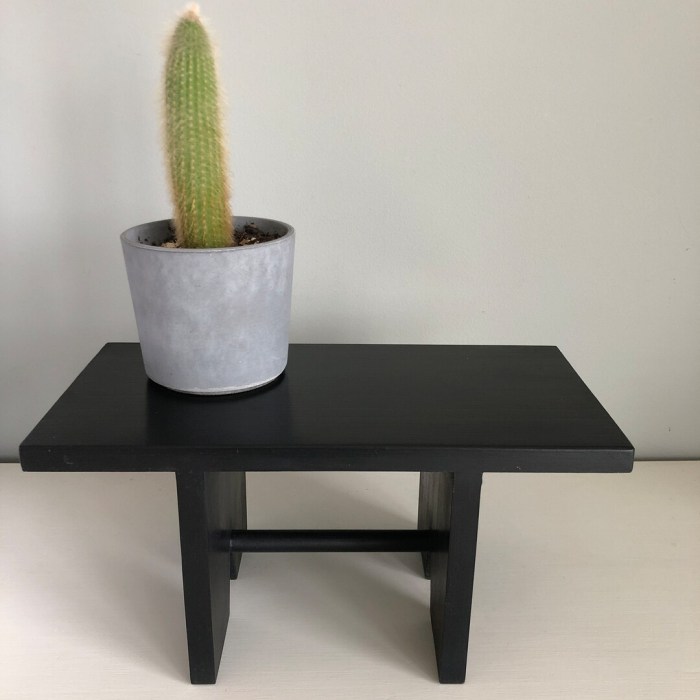
Minimalist design, often lauded for its clean lines and uncluttered spaces, finds fertile ground in the rich tapestry of Japanese aesthetics. The principles underpinning this aesthetic, particularly wabi-sabi, offer valuable insights for crafting a plant stand that is both visually striking and deeply meaningful. This approach emphasizes the beauty in imperfection, simplicity, and the transient nature of things, concepts that resonate profoundly with the inherent beauty of nature.
Principles of Wabi-Sabi in Plant Stand Design
Wabi-sabi, a Japanese aesthetic philosophy, emphasizes the acceptance of imperfections, the beauty of asymmetry, and the inherent transience of all things. Applying these principles to plant stand design translates to embracing natural materials, acknowledging the organic forms of plants, and appreciating the subtle changes that occur over time. This approach encourages a mindful connection with nature and the inherent beauty found in imperfection.
Traditional Japanese Design Elements
Several traditional Japanese design elements can be incorporated into a minimalist plant stand. These elements, often inspired by nature, offer a pathway to creating a harmonious and aesthetically pleasing piece.
- Natural Materials: Employing materials like wood, bamboo, or stone, often left in their raw state, emphasizes the natural beauty of the plant stand. This connection to nature creates a sense of serenity and grounding. For instance, a stand crafted from untreated, weathered wood can exude a rustic charm and elegance.
- Asymmetry and Imperfection: Embrace the organic forms of plants and the inherent asymmetry of nature. A plant stand with slightly uneven surfaces or a naturally curved form can create a sense of warmth and authenticity.
- Emphasis on Negative Space: Negative space, or the empty areas around the plant, is crucial in Japanese aesthetics. This principle is particularly important in minimalist design, creating a sense of tranquility and allowing the plant to take center stage.
Natural Light and Shadow
Careful consideration of natural light and shadow is essential in creating a Japanese aesthetic. The interplay of light and shadow can enhance the beauty of the plant and the stand itself. A plant stand strategically placed to receive dappled sunlight can create dynamic shadows and highlight the intricate patterns of the plant.
Negative Space in Minimalist Design
Negative space is paramount in a minimalist Japanese plant stand. The intentional absence of clutter and ornamentation, paired with the natural form of the plant, creates a powerful visual impact. This emphasis on emptiness allows the plant to stand out and creates a sense of calm. The eye is drawn to the plant, and the beauty of the natural world is highlighted.
| Element | Description | Example | Impact on Minimalism |
|---|---|---|---|
| Natural Materials | Using materials like wood, bamboo, or stone in their natural state. | A plant stand made from untreated, weathered wood. | Creates a sense of connection to nature, grounding the piece. |
| Asymmetry and Imperfection | Embracing organic forms and slight variations in the design. | A plant stand with slightly uneven surfaces or a naturally curved form. | Adds warmth and authenticity, contrasting with perfect symmetry. |
| Negative Space | Intentional emptiness around the plant to allow it to stand out. | A simple, unadorned stand with ample space around the plant. | Highlights the plant, emphasizes tranquility, and promotes a sense of spaciousness. |
| Natural Light and Shadow | Strategic placement to create dynamic shadows that highlight the plant. | A plant stand positioned to receive dappled sunlight, creating interplay of light and shadow. | Adds visual interest and depth, drawing the eye to the intricate details of the plant. |
Plant Placement and Styling
Minimalist Japanese plant stands, by their nature, demand thoughtful arrangement. The interplay between the plant and the stand becomes the focal point, requiring careful consideration of plant selection, height, and placement within the surrounding space. This intentional approach creates a serene and visually appealing display that harmonizes with the overall aesthetic.
Plant Selection for Height and Foliage
Careful plant selection is paramount. The height of the plant is crucial; a tall, slender plant can dominate the stand, while a compact, bushy plant can create a more balanced visual weight. Similarly, the foliage shape and density should complement the stand’s design. For example, a stand with clean lines might look best with plants featuring delicate, airy foliage, while a more textured stand could showcase plants with fuller, denser foliage.
Matching the plant’s form to the stand’s form is a fundamental element of this minimalist style.
Complementary Plant Combinations
Creating a minimalist display often involves using a single, prominent plant or a group of complementary plants. A single, well-chosen specimen draws the eye and provides a powerful focal point. Alternatively, grouping plants with similar foliage textures or colors in a harmonious arrangement can create a cohesive and sophisticated display. Consider the shape, size, and color of the leaves when combining multiple plants.
Plants with varying heights and textures can add visual depth and interest, but maintaining a unified aesthetic is key.
Plant Stand Placement Considerations
The placement of the plant stand within a room is crucial to its impact. A minimalist stand, with its clean lines and simple design, can seamlessly integrate into various spaces. For example, a stand placed on a side table in a living room can add a touch of natural elegance. A corner placement can further enhance the plant’s visual presence, providing a quiet sanctuary.
The stand’s position should not overwhelm the room’s other design elements but should complement them harmoniously. Natural light is often an important factor in plant stand placement. Positioning the stand near a window maximizes the plant’s ability to thrive and adds a dynamic element to the room.
Examples of Complementary Plant Types
Several plant types can effectively complement the minimalist design of a Japanese plant stand. Small, air-purifying plants such as snake plants, ZZ plants, or pothos, with their low-maintenance nature, are ideal choices. Succulents, with their diverse forms and textures, can also provide a visually striking contrast. Consider ferns for a touch of delicate elegance or bonsai for a more traditional Japanese touch.
These plant types offer a variety of forms, colors, and textures, allowing for creative arrangements that suit the stand’s design and the room’s aesthetic.
Interior Integration
Minimalist Japanese plant stands, with their clean lines and serene aesthetic, seamlessly integrate into a variety of interior styles, from modern to traditional. Their adaptability lies in their emphasis on form and function, allowing them to serve as both practical display pieces and artful focal points within a space. This adaptability extends to various plant types and arrangements, further enhancing the versatility of these stands.The key to successful integration is understanding the interplay between the stand, the plants, and the overall room ambiance.
A well-placed plant stand can elevate a room’s visual appeal and create a calming, inviting atmosphere. Careful consideration of the stand’s size, shape, and material is crucial in achieving this effect.
Integrating into Diverse Interior Styles
The inherent simplicity of minimalist Japanese plant stands allows them to blend harmoniously with diverse interior styles. Their neutral tones and understated designs make them a versatile addition to modern, contemporary, Scandinavian, and even traditional interiors. The use of natural materials, such as wood or bamboo, further enhances this compatibility. A subtle yet impactful element, the stand can complement existing decor without overwhelming the space.
Creating Focal Points
A strategically placed minimalist Japanese plant stand can easily become a captivating focal point in any room. Its understated design allows the plants to take center stage, drawing attention to their beauty and vitality. The stand’s minimalist form enhances the plant’s natural aesthetic, creating a harmonious visual balance. The contrast between the simple stand and the lush greenery effectively creates a focal point.
Room Setup Examples
- Living Room: Positioned near a window or fireplace, a minimalist plant stand can draw attention to the natural light or warmth. A collection of small plants in varying heights and textures can add visual interest. The overall aesthetic leans towards serenity and tranquility, with an emphasis on natural elements.
- Dining Room: Placed near the dining area, a plant stand can bring a touch of nature to the table setting. A single, taller plant or a grouping of smaller ones can create a captivating focal point that adds to the dining experience without dominating the space. The elegance of the stand complements the formality of the dining space.
- Bedroom: A plant stand positioned near a bedside table or on a windowsill can bring a touch of tranquility to the bedroom. Small, low-maintenance plants like succulents or air plants can thrive in this environment, creating a calming atmosphere conducive to relaxation. The muted tones and simple form of the stand enhance the overall peaceful ambience of the bedroom.
Modern vs. Traditional Interiors
In a modern interior, the minimalist Japanese plant stand’s clean lines and neutral tones create a sophisticated contrast to the room’s contemporary aesthetic. The stand’s simplicity complements the clean, uncluttered style. In a traditional interior, the stand’s subtle elegance can enhance the room’s traditional features. The natural materials often used in traditional Japanese design make the stand a seamless addition.
Placement and Aesthetics Table
| Room Type | Placement | Plants | Overall Aesthetic |
|---|---|---|---|
| Living Room | Near a window, fireplace, or coffee table | Variety of plants in varying heights and textures | Serene, tranquil, emphasis on natural elements |
| Dining Room | Near the dining area | Single, taller plant or a grouping of smaller ones | Elegant, enhances dining experience |
| Bedroom | Near bedside table or windowsill | Small, low-maintenance plants (succulents, air plants) | Calming, peaceful, conducive to relaxation |
| Office | Corner of the room or on a desk | Low-maintenance plants, or indoor air-purifying plants | Focus on productivity, visual appeal, and functionality |
Dimensions and Scale
Japanese minimalist plant stands, like their aesthetic counterparts, prioritize harmony and balance. Careful consideration of dimensions and scale is crucial for achieving a visually satisfying and integrated piece. The relationship between the stand’s size, the plants it supports, and the surrounding space dictates the overall impact and mood. Proportion plays a pivotal role in establishing a sense of calm and elegance.Achieving visual harmony requires a thoughtful understanding of the relationship between the stand’s dimensions and the plants it houses.
This interplay of scale and proportion creates a minimalist aesthetic, ensuring the plant stand complements the environment instead of dominating it. The optimal size for a plant stand should not only be proportionate to the plant but also to the space it will occupy. Oversized stands can feel overwhelming, while undersized ones can appear insignificant.
Optimal Stand Dimensions for Balance
The ideal size of a Japanese plant stand is contingent upon several factors. A stand that is too large for the space or the plants it holds will disrupt the minimalist aesthetic, creating an imbalance. Conversely, a stand that is too small will fail to provide adequate support and visual appeal. Careful consideration of the plants’ size and the surrounding space is essential to determining the appropriate scale for the stand.
Size Comparison and Aesthetic Influence
Different size options for plant stands can significantly impact the minimalist aesthetic. Small, compact stands are suitable for smaller plants and spaces, fostering a sense of intimacy and refinement. Medium-sized stands, with a more balanced profile, work well for medium-sized plants and provide a sophisticated and versatile presence. Large stands, though less frequent in minimalist settings, can be effective when used in spacious areas to highlight a specific plant or create a focal point.
Stand Size and Plant/Space Relationship
The size of the plant stand must correlate with the size of the plants it will support. A small plant will look out of place on a large stand, and a large plant will be dwarfed by a tiny stand. Likewise, the stand’s size should also consider the surrounding space. A large stand in a small room can overwhelm the space, while a small stand in a large room can feel lost.
A well-proportioned stand enhances the space, not detracts from it.
Scale and Proportion in Minimalist Design
The concept of scale and proportion is central to minimalist design. It involves creating a harmonious relationship between different elements in a space. A well-proportioned plant stand helps create a balanced and visually appealing environment, aligning with the core principles of Japanese aesthetics. Achieving this requires careful consideration of the stand’s dimensions in relation to the plants and the surrounding space.
Table: Stand Size, Plant Size, Space, and Impact
| Stand Size | Plant Size | Space | Impact |
|---|---|---|---|
| Small (10-15cm height) | Small (5-10cm height) | Small room (e.g., study) | Intimate, refined |
| Medium (20-30cm height) | Medium (10-20cm height) | Living room | Sophisticated, versatile |
| Large (30-45cm height) | Large (20-35cm height) | Spacious dining room | Focal point, grandeur |
| Extra Large (45+ cm height) | Extra Large (35+ cm height) | Expansive garden patio | Powerful, statement piece |
Materials and Finishes
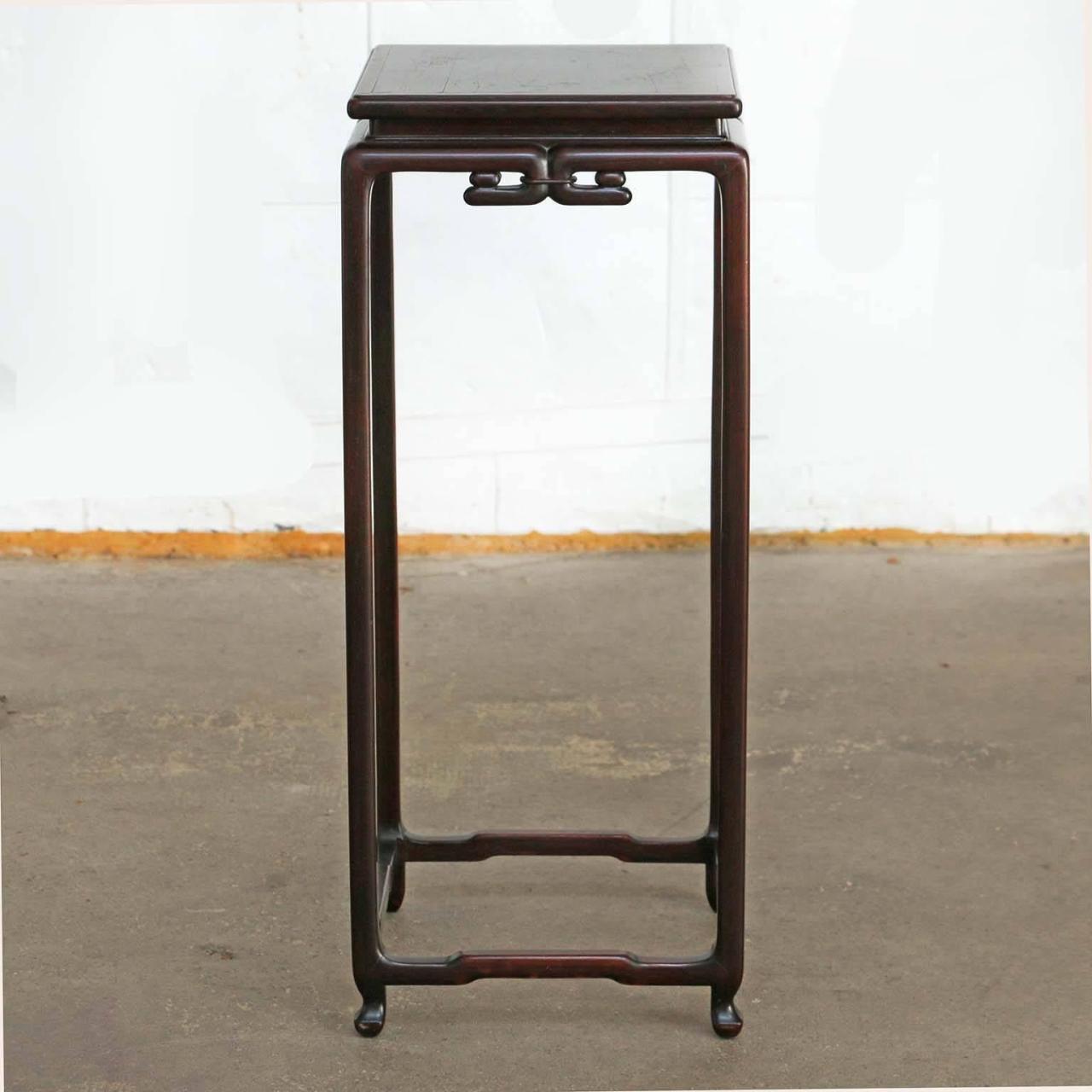
Minimalist Japanese plant stands, embodying the spirit of simplicity and elegance, benefit from carefully chosen materials and finishes. The selection process must consider not only aesthetic appeal but also practicality, durability, and environmental consciousness. Aesthetics are paramount in these designs, yet sustainability is equally important.
Material Selection
The materials selected for minimalist Japanese plant stands must harmonize with the aesthetic principles of simplicity and natural beauty. Five exemplary materials include:
- Solid Wood (e.g., Oak, Cherry): Known for its natural beauty and strength, solid wood provides a warm, earthy aesthetic. The inherent grain patterns add character without detracting from the minimalist design’s clean lines. A variety of wood types can be used, each offering unique tonal qualities.
- Metal (e.g., Steel, Aluminum): Metals, particularly when polished to a high sheen, offer a modern and sophisticated touch. Their smooth surfaces complement the minimalist design’s focus on clean lines. Different metals offer varying degrees of strength and durability.
- Stone (e.g., Granite, Marble): Stone, with its inherent natural variations in texture and color, can create a striking visual impact. Its permanence and durability make it a suitable choice for plant stands intended for long-term use.
- Ceramic (e.g., Porcelain, Earthenware): Ceramic materials, available in various glazes and finishes, provide a versatile option. The craftsmanship and artistic potential within ceramic can be highly integrated into a minimalist design, with its smooth surfaces and muted colors.
- Recycled Materials (e.g., Upcycled Wood, Metal scraps): This environmentally conscious approach leverages waste materials, transforming discarded items into aesthetically pleasing plant stands. This choice exemplifies sustainability and resonates with the minimalist’s respect for resource conservation.
Finish Effects
The finish applied to a material significantly impacts the overall aesthetic and durability of a minimalist plant stand. A range of finishes, from natural to highly polished, can achieve different visual effects.
- Natural Finishes: Natural finishes, such as raw wood or unpolished stone, highlight the material’s natural beauty and integrity, complementing the minimalist aesthetic’s emphasis on natural elements. They create a sense of warmth and connection to nature.
- Clear Coatings: Clear coatings, applied to wood or metal, protect the underlying material while maintaining its natural aesthetic. This preserves the integrity of the material and enhances the overall durability.
- Polished Finishes: Polished finishes on metal or stone create a sleek, modern appearance, aligning with minimalist designs. The reflective surface enhances the light’s interaction with the stand, adding an element of sophistication.
- Matte Finishes: Matte finishes on wood or ceramic provide a subdued, non-reflective surface. This reduces visual distractions and promotes a sense of calm and tranquility.
Durability Considerations
The durability of a material is crucial for the longevity of a minimalist plant stand. The material must withstand the demands of daily use and potential environmental stresses.
- Wood: Solid wood, with its inherent strength, is generally durable, but different types vary in their resistance to moisture and rot. Proper sealing can enhance its lifespan.
- Metal: Metals like stainless steel or aluminum are highly resistant to corrosion and offer exceptional durability. Their resistance to wear and tear is a significant factor in choosing them for plant stands.
- Stone: Stone is known for its exceptional durability, resisting scratching, chipping, and weathering, making it a reliable choice for outdoor or high-traffic areas.
- Ceramic: Ceramic’s durability varies based on the type and firing process. Glazed ceramic, while aesthetically pleasing, may be less resistant to impact than unglazed options.
- Recycled Materials: The durability of recycled materials depends heavily on the source material. Thorough consideration must be given to the potential for degradation or weakness inherent in repurposed materials.
Environmental Impact
The selection of materials and finishes for minimalist plant stands must incorporate environmental considerations. Eco-friendly choices are paramount for sustainability.
- Sustainable Sourcing: Prioritize materials sourced from sustainable forests or ethically mined sources. This approach reduces the ecological footprint associated with resource extraction.
- Recycled Content: Incorporate recycled materials to minimize waste and promote a circular economy.
- Low-VOC Finishes: Choose finishes with low volatile organic compounds (VOCs) to reduce harmful emissions into the atmosphere.
- Recyclable Materials: Select materials that can be easily recycled at the end of their lifespan, contributing to responsible waste management.
Material Comparison
| Material | Finish | Durability | Environmental Impact |
|---|---|---|---|
| Solid Wood | Natural | High | Moderate (depends on sourcing) |
| Steel | Powder Coated | Very High | Moderate (depends on coating) |
| Granite | Polished | Extremely High | High (depends on extraction methods) |
| Recycled Metal | Patinated | Medium to High (depending on original material) | Very High |
Illustrative Examples
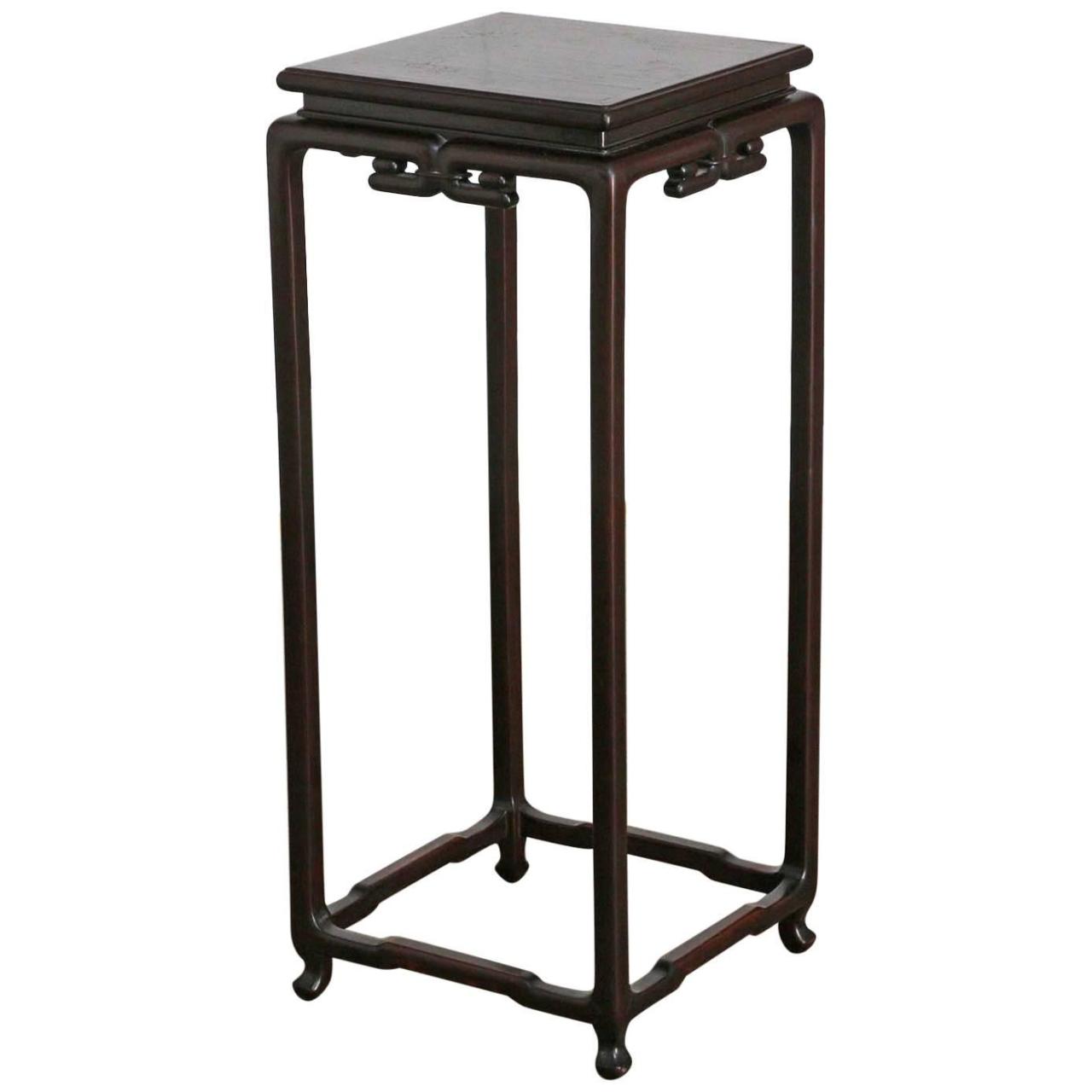
Minimalist Japanese plant stands, born from a deep respect for nature and a commitment to clean lines, offer a serene aesthetic for modern homes. Their simple forms, often crafted from natural materials, complement the delicate beauty of the plants they hold, fostering a connection between the indoor and outdoor worlds. These stands aren’t just functional; they’re sculptural elements that elevate the ambiance of any space.
Detailed Descriptions of Minimalist Japanese Plant Stands
The following examples showcase the versatility and artistry inherent in minimalist Japanese plant stands. Each design emphasizes different aspects of Japanese aesthetics, from the natural beauty of materials to the carefully considered placement of plants.
| Stand Number | Description | Plant Arrangement | Overall Impact |
|---|---|---|---|
| 1 | A single, mature fiddle-leaf fig, positioned centrally on the stand, allowing its substantial leaves to cascade gracefully. A few air plants, strategically placed among the fig’s base, add a touch of ethereal lightness. | A powerful statement piece. The muted palette and simple form create a sophisticated atmosphere, emphasizing the plant’s natural beauty. | |
| 2 | A collection of various air plants, arranged in a cascading pattern down the stand, emphasizing their unique forms and textures. A single, small succulent, positioned at the top of the stand, anchors the arrangement. | The stand’s organic form and natural material evoke a sense of tranquility and connection to nature. The varied plants create a visually dynamic and interesting display. | |
| 3 | A compact grouping of various succulents, with different textures and colors, placed in a symmetrical arrangement. The succulents’ varied forms and colors add depth and visual interest to the stand. | The stand’s minimalist design, combined with the dark color palette, creates a modern, yet serene atmosphere. The plants’ varied textures and colors complement the stand’s aesthetic. | |
| 4 | A collection of small ferns and pothos, arranged in a tiered design, creating a lush and layered effect. The ferns’ delicate fronds and the pothos’ trailing vines intertwine, creating a sense of movement and life. | The stand’s warm tones and organic form create a sense of tranquility and comfort. The arrangement’s soft textures and vibrant greens emphasize the beauty of nature. | |
| 5 | A variety of orchids, with their unique shapes and vibrant colors, arranged in a balanced display. The orchids’ delicate forms and colors create a striking and beautiful focal point. | The stand’s modern design, combined with the orchids’ exquisite beauty, creates a striking visual display. The transparency of the stand allows light to illuminate the orchids, enhancing their visual appeal. |
Maintenance and Care
Maintaining the minimalist aesthetic of a Japanese plant stand requires a delicate balance between meticulous care and the appreciation of natural processes. Proper plant care is paramount, ensuring the stand’s visual harmony is preserved. This extends beyond the plants themselves, encompassing the stand’s materials and their upkeep, all contributing to the long-term integrity of the piece.A well-maintained Japanese plant stand not only enhances the visual appeal of the space but also reflects a mindful approach to living, where attention to detail and respect for natural elements are valued.
The longevity of the stand is directly tied to the consistency of the maintenance routine. This approach ensures the stand remains a testament to understated elegance and enduring quality.
Plant Care
Maintaining the vibrant health of the plants is crucial for the overall aesthetic. Proper watering, appropriate light exposure, and consistent monitoring of soil moisture are essential for plant well-being. Regular inspection for pests and diseases is vital, as early intervention can prevent significant damage. Using appropriate fertilizers, tailored to the specific plant types, will promote healthy growth and vigor, further contributing to the overall minimalist design.
This attention to detail ensures that the plants thrive within their designated space, enhancing the stand’s visual appeal.
Material Upkeep
The materials used in the construction of a minimalist Japanese plant stand often influence the cleaning method. For example, natural materials like bamboo or wood require gentle cleaning methods, while metal stands might necessitate different approaches. Understanding the material’s inherent properties is crucial for effective cleaning. Ignoring the specific needs of each material could lead to damage, compromising the stand’s integrity and its minimalist aesthetic.
Cleaning and Upkeep Procedures
Regular cleaning is essential for maintaining the pristine look of a minimalist Japanese plant stand. This encompasses removing dust and debris, and occasionally polishing or re-treating the materials. The specific cleaning methods will vary depending on the materials used in the stand’s construction. For instance, wooden stands might require occasional dusting and oiling to maintain their luster and prevent moisture damage, while metal stands can be cleaned with mild soapy water and a soft cloth.
Proper cleaning, performed with care and consideration for the materials, ensures the stand retains its beauty and structural integrity.
Impact of Maintenance on Longevity
Consistent maintenance routines directly impact the longevity of a minimalist Japanese plant stand. Neglecting proper care can lead to premature deterioration, including discoloration, warping, and damage to the structural integrity of the stand. Regular cleaning and upkeep not only preserve the stand’s aesthetic appeal but also extend its lifespan. A well-maintained stand reflects a commitment to quality craftsmanship and thoughtful design, ensuring the stand’s beauty endures for years to come.
Minimal Maintenance Schedule
The following table Artikels a minimal maintenance schedule for various materials commonly used in Japanese plant stands:
| Material | Cleaning Method | Frequency | Impact |
|---|---|---|---|
| Bamboo | Gentle dusting with a soft cloth, occasional light oiling | Weekly | Maintains natural luster, prevents drying and cracking |
| Wood (e.g., Cherry, Maple) | Regular dusting, occasional application of wood sealant or oil | Bi-monthly | Preserves wood’s natural beauty, protects against moisture damage |
| Metal (e.g., Iron, Steel) | Mild soapy water and soft cloth, occasional polishing | Monthly | Maintains shine, prevents rust and corrosion |
| Stone (e.g., Basalt, Granite) | Gentle brushing, occasional rinsing with water | Monthly | Preserves natural texture, prevents buildup of dirt and debris |
Concluding Remarks
In conclusion, crafting a minimalist Japanese plant stand is a journey into thoughtful design, blending form and function with the rich traditions of Japanese aesthetics. By considering the interplay of materials, finishes, and shapes, alongside plant placement and interior integration, designers can create a piece that transcends trends and stands as a testament to refined simplicity. The comprehensive guide offers a roadmap to creating a truly unique and impactful minimalist plant stand that complements various interior styles.
